Casual Yet Chic: Finding the Right Bar NYC
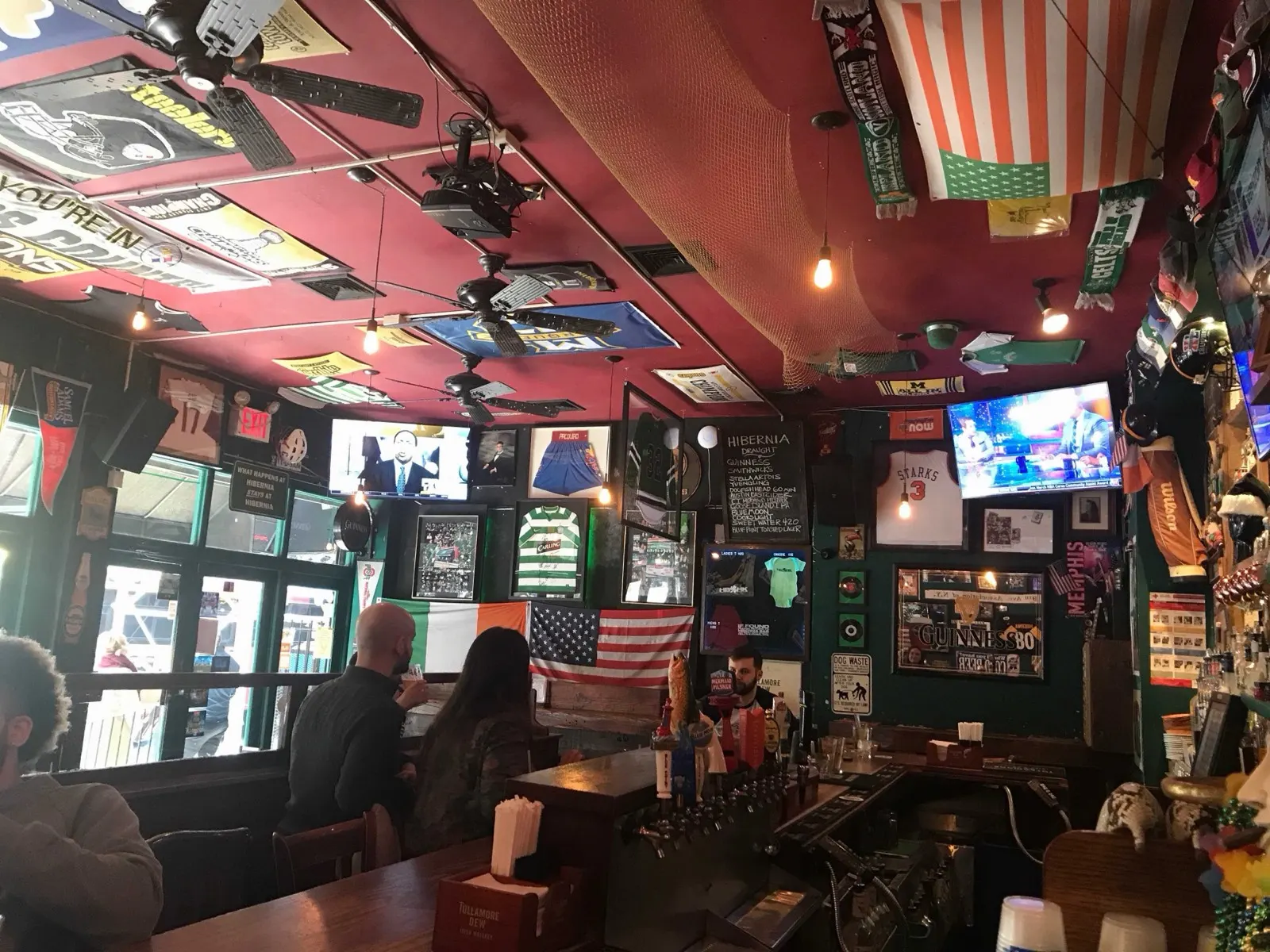
New York is full of bars that promise the same thing: good cocktails, good music, good energy, good crowd. After enough nights out, those words start to blur. What separates a place worth returning to from one that is simply photogenic for twenty minutes is harder to explain, but easy to feel the moment you walk in.
The right bar in NYC has a particular balance. It should feel put together without making you adjust your posture. It should have style, but not the kind that turns a drink into a performance. It should give you enough atmosphere to feel like you are out in the city, not enough friction to make a simple catch-up feel like an event to be managed. That is the sweet spot, casual yet chic, and it is far rarer than the city’s bar density would suggest.
People often talk about New York nightlife as if it falls into clean categories: dive bars, cocktail bars, hotel bars, wine bars, rooftop bars. In practice, the places that work best tend to blur those lines. They have the polish of a cocktail destination, the comfort of a neighborhood spot, and the social flexibility of a place where one person can order a martini while another orders a beer and nobody feels misplaced. If you are trying to choose the right Bar NYC experience, that mix matters more than labels.
What “casual yet chic” actually means
This phrase gets used so often that it risks becoming empty. In real terms, a casual yet chic bar is one where attention has clearly been paid, but not weaponized. The lighting is flattering rather than theatrical. The music has personality, but you do not have to lean six inches from someone’s face to hear a story. The menu is edited, not overworked. The staff know what they are doing and do not need to prove it.
A lot of bars in New York get one side right and miss the other. Some are casual in the least appealing way, sticky surfaces, indifferent service, televisions dominating every wall. Others are chic in a way that feels punitive, tiny pours, rigid reservations, long waits for overcomplicated drinks, and an atmosphere that suggests everyone came to be seen rather than to relax. The best spots know that ease is part of elegance.
You can spot that balance before you even sit down. Watch the room for thirty seconds. Are people settled in, or are they scanning the space like they are still deciding whether they should stay? Is there a mix of groups, dates, solo drinkers, work friends, maybe a couple celebrating something small? A good bar carries all of them at once. It does not force a single mood.
The neighborhood changes the mood before the first drink arrives
Talking about bars in New York without talking about geography misses half the story. The kind of night you want in the West Village is rarely the same as the kind of night you want in the Lower East Side, Flatiron, Williamsburg, or Greenpoint. Even within Manhattan, a ten-minute cab ride can shift the entire social code.
In the West Village, casual yet chic often means warm light, compact tables, a little bit of old-school polish, and drinks that respect the classics. These bars tend to suit dates, long conversations, and nights when you want to linger. There is usually an expectation of some patience, smaller rooms, fuller reservations, tighter quarters, but if the place is good, the intimacy works in its favor.
In the Lower East Side, the same phrase can take on a sharper edge. The rooms are often louder, the crowd younger, the energy less settled. Chic might come through in music curation, unusual spirits, or design details that feel downtown rather than refined. That can be excellent when you want movement and unpredictability. It can be the wrong choice if you actually want to hear your friend talk about a breakup or a job offer.
In parts of Brooklyn, especially Williamsburg and Greenpoint, the casual-chic bar often has more physical space and less visible pressure. You may find higher ceilings, better seating, and a crowd that looks stylish without seeming to have dressed under duress. The trade-off is that some places can feel more diffuse. Atmosphere is not only about décor, it is also density. A room with too much space can struggle to generate energy at 8:15 on a weeknight.
Midtown and hotel bars deserve more credit than they get. People dismiss them because they assume corporate, touristy, or expensive. Sometimes that is fair. Sometimes it means you get comfortable seating, professionals behind the bar, and a level of service that neighborhood spots have quietly stopped offering. If you are meeting someone after work and need reliability rather than discovery, those rooms can make a lot of sense.
Service tells you almost everything
A stylish room can cover a lot of sins for one round. It cannot cover bad service for two hours.
When I judge a bar, I pay less attention to whether the bartender can explain the agricole rum and more attention to whether the room runs smoothly. Were we greeted with some awareness, even during a rush? Did someone make eye contact? Did the server understand the tempo of the table? Good service in New York is often about calibration, not performance. You do not need a monologue about the house tincture. You need a drink that arrives at the right moment and a check that appears without a scavenger hunt.
The most polished bars make this look effortless. Water appears without asking. Empty glasses are noticed. Recommendations are offered in a sentence or two, not a lecture. If a drink is delayed because the room is slammed, someone acknowledges it. That is chic in a real sense. It shows respect for the guest’s experience.
Poor service also reveals a mismatch between concept and operation. A bar that wants to project sophistication but cannot handle volume is not actually sophisticated. It is overstyled. New York rewards bars that understand throughput. The room can be intimate, moody, even precious, but if guests are waiting twenty minutes to place a second order, the mood curdles fast.
The menu should have point of view, not ego
A strong bar menu says something clear. It does not need twelve obscure ingredients in every cocktail to be memorable. In fact, some of the most satisfying places in the city keep their best drinks almost suspiciously simple. A very cold martini. A clean, bitter spritz. A whiskey drink with one unusual note. A seasonal highball that tastes exactly like what you hoped that season would feel like.
You can often tell whether a bar is built for repeat visits by reading the menu. If every drink sounds like a challenge, smoke, foam, mushroom, tincture, salted whatever, the place may be trying too hard. A casual yet chic bar leaves room for instinctive ordering. You should be able to walk in tired after work and find something appealing without studying a glossary.
Price matters here too, and in New York it matters more than people sometimes admit. Drinks in the Bar NYC low twenties are now normal in many neighborhoods, especially if the bar invests in glassware, staffing, and rent-heavy locations. But there is a difference between paying twenty-two dollars for a carefully made cocktail in a good room and paying twenty-six for a gimmick served in a vessel designed for Instagram. Value is not about cheapness. It is about whether the total experience justifies the spend.
Wine and beer programs can also sharpen a bar’s identity. A place that offers a concise, thoughtful wine list by the glass often feels more welcoming than a bar that clearly only cares about cocktails. The same goes for beer. Keeping two or three genuinely good choices, including one easy, crisp option, shows consideration for different drinkers. It also helps groups. The right Bar NYC setting works because nobody feels pressured into ordering the “correct” thing.
Comfort is not a small detail
People underestimate the role of physical comfort in whether a night feels stylish or strained. Seating, table height, bar spacing, coat storage, bathroom access, acoustics, these details either support a relaxed evening or chip away at it in small, exhausting ways.
Bar stools are a good example. A beautiful room with punishing seating sends a message, even if unintentionally: look good, do not settle in. That may suit a quick stop. It does not suit the kind of place you return to regularly. Likewise, a room with no place for winter coats in January creates low-grade chaos, and chaos is the enemy of chic.
Sound design matters just as much. There is a difference between energy and noise. Some bars use volume as a substitute for atmosphere. It works if your goal is flirtation, movement, and maybe a second location later in the night. It fails if you want actual conversation. One of the cleanest signs of a well-run bar is that the playlist contributes to the room rather than dominating it.
Lighting deserves its own category. The ideal is not necessarily dim. It is intentional. People should look like themselves, only better rested. If a bar is bright enough to resemble a café, the glamour disappears. If it is so dark that you need your phone flashlight to read the menu, the bar is asking too much of you.
The right choice depends on the occasion
A mistake many people make when searching for the right bar in NYC is assuming there is one universal answer. There is not. The ideal place changes with the reason you are going out.
A first date requires a different calculus than a reunion with close friends. With a date, you usually want moderate noise, strong service, comfortable seating, and enough visual interest to keep the room alive if conversation briefly dips. With friends you have known for years, you can tolerate more chaos if the drinks are good and the energy is fun. With coworkers, particularly if some people are more senior than others, you want a place where the vibe feels confident but neutral. Nobody should feel underdressed, overpriced, or trapped in a room that turns rowdy at 9 p.m.
Celebrations complicate things further. Birthday groups often think they want a flashy venue when what they actually need is a bar that can absorb a changing headcount, keep drinks moving, and allow people to talk across shifting clusters. A chic room with strict seating and no flexibility can make a birthday feel weirdly formal. By contrast, a slightly looser space with real hospitality can make twelve people feel effortless.
If you are going out solo, your standards should shift again. Solo drinking in New York can be one of the city’s great pleasures, but it works best in places with a gracious bar staff, enough bar seating, and a room that does not make solo presence feel conspicuous. Hotel bars often excel here, as do neighborhood cocktail bars that maintain a steady early-evening crowd.
A few practical signs you found a keeper
There are certain details that repeat across bars I return to, regardless of neighborhood or price point.
- The room looks good at 6:30 and at 10:00, not only in carefully cropped social media photos.
- You can order both a classic drink and a house specialty without either feeling like an afterthought.
- The staff treat regulars warmly without making newcomers feel invisible.
- The food, even if minimal, is chosen intelligently and arrives fast enough to matter.
- Leaving the bar, you remember how the night felt more than how the room was decorated.
That last point is easy to overlook. Design gets attention because it is visible. Hospitality creates memory because it is lived.
Why some bars photograph well but disappoint in person
New York has always had scene-driven venues, but the current version of that culture is particularly efficient. A room can become famous online before it has proven it can sustain a real evening. This is one reason travelers and even longtime residents often feel let down by bars that look perfect on screen.
Photogenic bars tend to optimize for first impression. Bold interiors, unusual glassware, dramatic garnishes, curated entrances, branded coasters, all of that lands quickly. What does not show up as clearly online is the forty-minute wait, the compressed table spacing, the service team stretched too thin, or the playlist mixed for image rather than comfort.
This does not mean stylish bars are bad. Many are excellent. It means you should separate visual appeal from actual usability. Ask simple questions. Would you want to spend two hours here? Could you imagine bringing different kinds of people, not only the most nightlife-oriented friend in your group? Would you still like the place if the lighting were ordinary and nobody posted from it? If the answer is no, the bar may be more of a backdrop than a destination.
Timing can rescue or ruin a place
A bar can feel brilliant on Tuesday at 7:00 and unbearable on Friday at 9:30. That does not make it inconsistent. It means you need to understand the room’s rhythm.
Some of the best cocktail bars in the city shine early, before the crowd thickens and the reservation grid starts to pinch. Go then, and the room feels elegant, the staff attentive, the drinks precise. Arrive during the peak rush, and the same bar may feel cramped and slightly stressed. Other places need a bit of pressure to come alive. At 6:00 they can seem stiff or underpopulated. By 10:00 they hit their stride.
If you are trying a new place, early evening is usually the most revealing. You get a cleaner read on service, acoustics, and the actual quality of the drinks. If a bar feels rushed or disorganized before the big wave hits, that is useful information. If it already feels warm and assured, chances are good it can handle the night.
Reservations matter too, though not always in the way people think. Some bars with reservations hold a portion of seats for walk-ins and manage the balance beautifully. Others use bookings to create an illusion of exclusivity while leaving guests stuck in awkward holding patterns. If you care about a smooth evening, call ahead or check the policy. New York rewards people who treat logistics as part of the experience, not an afterthought.
Style should never make a guest feel unwelcome
There is a subtle but important distinction between a bar with standards and a bar with attitude. The first is a pleasure. The second is tedious.
A polished place can absolutely have a strong identity. It can prefer smart casual dress, a measured pace, a certain kind of music, or a focused menu. What it should not do is make guests feel like they need insider status to order a drink. Real confidence in hospitality is generous. It says, we know who we are, come in and enjoy it. Insecurity does the opposite. It uses jargon, aloofness, or arbitrary rules to build status.
This matters especially in a city where people often go out across different social and professional worlds. You may be meeting a creative director, a cousin visiting from out of town, and a friend who just finished a hospital shift, all in the same week. The best bar in NYC for one of those nights may also work for the others because its style is inclusive rather than brittle.
When I think back on the bars that endure, they are rarely the loudest or the most heavily publicized. They are the rooms that understand proportion. Enough polish to feel special. Enough ease to feel human. Enough point of view to be memorable. Enough flexibility to fit real life.
How to choose well, even when options feel endless
When someone asks for a recommendation, I usually start with three filters: what kind of conversation they want, how much they want to spend, and whether the night needs momentum or calm. Those answers narrow the field faster than chasing trend reports.
If you want depth of conversation, avoid any place known mainly for its DJ lineups or standing-room density. If budget matters, choose a bar where one great drink and a shared snack can still feel like a complete evening. If you want momentum, seek rooms with visible circulation, some standing space, and a crowd that naturally refreshes over the course of the night.
There is also value in accepting trade-offs. A tiny West Village room may deliver unmatched charm but little elbow space. A sleek hotel lounge may offer comfort and service at the cost of neighborhood intimacy. A Brooklyn wine bar may feel perfectly current but require a longer trip home than you want at midnight. The right answer is not the place that wins every category. It is the one whose compromises suit your plan.
The phrase casual yet chic sounds easy until you realize how much judgment it involves. Too casual and the night feels forgettable. Too chic and it feels managed. New York, at its best, gives you bars that split the difference with grace. They make you feel both relaxed and sharpened, part of the city but not flattened by it.
That is what most people are really looking for when they search for the right Bar NYC experience. Not just a drink, not just a room, not just a trend. They want a place that lets the evening unfold naturally, while still making it feel like the city showed up for the occasion. When you find that balance, you know it quickly. You stop assessing and start staying.
Hibernia Bar
401 W 50th St
New York, NY 10019
(212) 969-9703
FAQ About Bar NYC
What is there to do in Hell's Kitchen, NYC?
Explore the restaurants and bars along Ninth Avenue, catch a Broadway show nearby, or visit the Intrepid Museum on the Hudson River. Hibernia Bar is at West 50th Street and Ninth Avenue, a convenient stop before or after a show.
What are some bars in New York City that serve good food?
Hibernia Bar in Hell's Kitchen serves wings, burgers, fish and chips, and shepherd's pie. Its kitchen lists a 2 a.m. closing time, which makes it an option for dinner after a show or a game.
How far is Hell's Kitchen from Times Square?
Hell's Kitchen is just west of Times Square. From Broadway and West 45th Street, Hibernia Bar is roughly 0.6 miles away, or about a 12-minute walk depending on crowds.