The Ultimate Insider Guide to Bar NYC
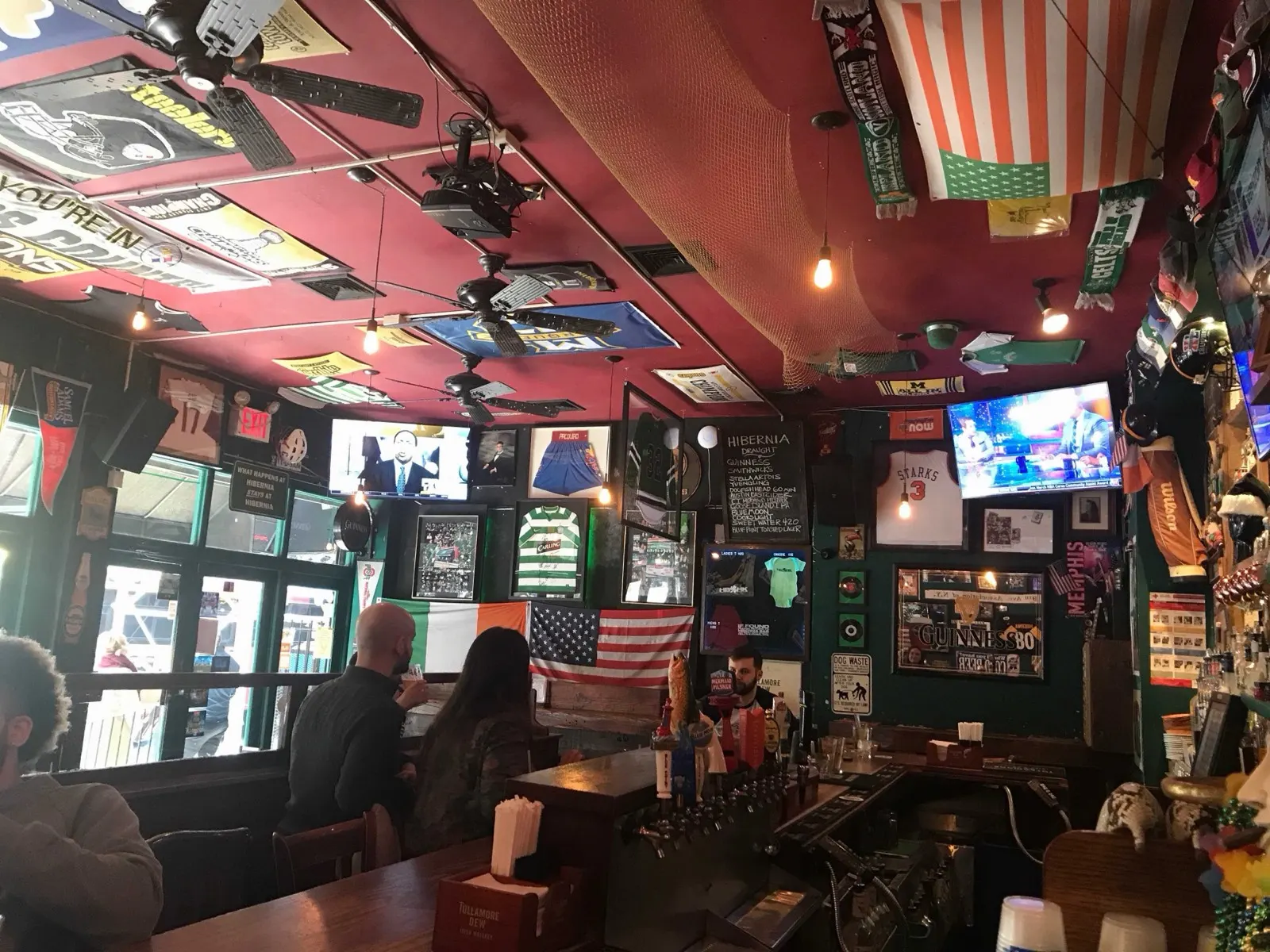
New York does not have a single bar culture. It has dozens, layered by neighborhood, budget, hour, ambition, and attitude. That is the first thing people get wrong when they search for the perfect Bar NYC experience. They imagine one scene, one standard, one ideal night. The city does not work that way. A polished hotel lounge in Midtown, a candlelit natural wine spot in Brooklyn, a cash only dive in the East Village, and a crowded sports bar in Astoria all belong to the same ecosystem, but they ask for different expectations and reward different instincts.
If you know how to read the room, New York is one of the most satisfying drinking cities in the world. If you do not, it can feel expensive, rushed, and oddly impersonal. The difference often comes down to small choices, where you sit, what time you arrive, how you order, whether you understand the neighborhood, and how much you are asking a bar to be all things at once.
What follows is the guide I wish more people had before they went out in the city with a vague plan and a lot of confidence.
First, understand what kind of night you actually want
Most bad bar nights in New York begin with a planning error. Someone says they want a “fun bar,” which sounds useful but means almost nothing. Do they want a place where they can hear a date speak without leaning across the table? A room with serious cocktails? Cheap beer and no pretense? A place that feels energetic at 11 p.m. But is not impossible at 8 p.m.? New York can provide all of that, but usually not in the same venue.
A lot of visitors also underestimate how much the city’s pace shapes the evening. People often stack plans. Drinks before dinner, then another stop, then maybe a late reservation somewhere else. Bars are used to customers arriving in waves. That creates a premium on timing. The same room can feel elegant at 6:15, hectic at 8:30, and oddly flat just after midnight if the crowd has migrated elsewhere.
Before choosing a bar, narrow the purpose. Date night needs one set of features. Catching up with old friends needs another. Group birthdays, solo drinks, industry hangouts, post theater cocktails, and after work rounds all have their own best habitat. Clarity saves money and lowers friction.
The neighborhoods matter more than the menu
People often shop for bars by social media clips or “best of” lists. That is useful up to a point, but in New York, the block outside the bar matters nearly as much as the drinks inside it.
Lower Manhattan neighborhoods like the East Village, Lower East Side, Chinatown, SoHo, and the West Village each carry distinct rhythms. The East Village tends to reward bar hoppers because choices are dense and styles change quickly from one door to the next. The West Village can feel more polished and can become crowded early, especially on weekends. The Lower East Side often offers a wider spread between relaxed neighborhood spots and louder destination rooms. Chinatown is full of pleasant surprises if you are willing to walk and let the night unfold a bit.
In Brooklyn, Williamsburg and Greenpoint remain easy shorthand for trendy drinking culture, but they are not interchangeable. Williamsburg can feel more kinetic and more sceney. Greenpoint often offers a little more breathing room, with strong cocktail and beer options that do not always advertise themselves loudly. Park Slope, Cobble Hill, and Fort Greene suit people who want a more neighborhood driven evening, less performance, more return-customer energy.
Uptown, the Upper East Side and Upper West Side both have excellent bars, though they are often overlooked by people chasing downtown cachet. That can work in your favor. You may sacrifice a little edge and gain a better seat, a more generous pour, or a bartender who has time to talk.
A smart Bar NYC strategy starts with asking where you want to be when you leave the bar, not just where you want to start. If the answer is “near dinner,” “near the train,” or “somewhere we can still think,” that will rule out a surprising number of bad fits.
Price shock is real, but it is manageable
New York is expensive, and bars are one of the places where that reality arrives quickly. A simple beer can feel fair one block and overpriced the next. Cocktails often land in a range that would count as special occasion pricing in other cities. Wine by the glass can be excellent, but the markup can sting if you order casually without noticing the list.
Still, the city offers value if you know what value means in context. Sometimes value is not the cheapest drink. It is the place where your round arrives fast, the lighting flatters everyone, the music is calibrated instead of punishing, and no one is trying to rush you out after twenty minutes. A twelve dollar beer in the right room can be a better deal than a nine dollar beer in a place you want to leave immediately.
Happy hours do exist, though they vary widely and can shift over time. Some are excellent, some are mostly symbolic, and some matter less than people think once you account for tax, tip, and the second round you did not plan on ordering. If your goal is a lower cost night, the most reliable move is often to begin earlier, stick to beer, wine, or simple mixed drinks, and avoid ordering your most elaborate cocktail of the week at the most crowded possible hour.
How to spot the right bar from the sidewalk
The front door tells you more than most people realize. New York bars communicate in subtle signals. A host stand near the entrance suggests a stronger emphasis on seat management and flow. A dark room with a visible back bar and no obvious waiting area often rewards decisiveness. A few empty seats at 7 p.m. Can mean opportunity, not failure, especially in neighborhoods where people start late.
Look for proportion. Is everyone packed near the front because the back room is dead? Is the music forcing every conversation into a shout? Are people standing with coats and bags because the room is undersized for its ambition? You can learn a lot in ten seconds.
The best sign is usually not trendiness but ease. A good bar, even a busy one, has a visible rhythm. Staff move with purpose. Guests seem settled, not stranded. Glassware clears at a reasonable pace. No one looks confused about whether they are waiting to order, waiting to sit, or waiting to escape.
What bartenders notice immediately
The staff at a New York bar size up the room fast. That is not cynicism, it is survival. Good bartenders in this city are managing volume, timing, personalities, and often narrow margins of physical space. They remember the guest who orders cleanly and pays attention. They also remember the guest who waves cash in the air, blocks the service well, or asks for six separate modifications during a rush.
If you want better service, help the room work. Know what you want, or at least know the category. If you are still deciding, step aside. Keep your group compact. Open a tab if you are staying. Tip like you understand the labor. Those are not grand gestures. They are basic signals that you belong.
There is also a specific New York courtesy people learn with experience. If the bar is packed, do not make the bartender perform intimacy on demand. Some of the best bartenders in the city are warm, funny, and deeply knowledgeable, but conversation comes after efficiency, not before it. If the place is quiet and they have time, that is different. Reading that difference is part of going out well.
Ordering well in a crowded room
There is a practical art to getting your drink without becoming a nuisance. Most experienced regulars do the same few things, almost without thinking.
- Stand where the bartender can actually see you, not behind a cluster of indecisive friends.
- Keep your order short and complete, including the spirit, style, and quantity.
- Have payment ready if you are not opening a tab.
- Do not shout over someone who was clearly there first.
- Tip on the first round like you plan to return.
That last point matters more than people admit. New York bartenders are professionals, not vending machines, and they absolutely notice who treats them like one.
Cocktails, beer, wine, or the dive bar gamble
Not every bar should be judged by the same standards. This sounds obvious, but people forget it the moment a drink hits the table.
A serious cocktail bar should be evaluated on balance, consistency, pacing, and whether the menu shows real thought beyond gimmicks. The best ones make complexity feel easy. You receive a drink that tastes integrated, not crowded. If you ask for a recommendation and mention what you usually like, a good bartender narrows the field fast without making you feel unschooled.
Beer bars live or die on freshness, range, and whether the room invites another round. A long tap list means nothing if the lines are neglected or the staff cannot guide you. Some of the most enjoyable beer spots in the city keep the offering tight and rotating. A concise selection handled well often beats a sprawling one maintained carelessly.
Wine bars in New York can be glorious, especially when they resist turning every pour into a lecture. Good ones help you move by instinct. You mention you want something mineral, soft, bright, chilled, fuller, funky, or not too expensive, and they meet you there. Bad ones make the list feel like an exam.
Then there are dive bars, a category people romanticize without always understanding. A true dive is not just cheap and dark. It has memory. It has regulars who belong there. It has decor that was earned rather than Bar NYC designed to look accidental. Some faux dives are perfectly fun, but the difference is palpable if you spend enough nights in bars. Authenticity in New York usually reveals itself in what has not been optimized.
Timing is half the game
You can transform your experience at the same bar simply by arriving at the right moment. This is one of the most reliable insider advantages in the city.
At many popular places, the sweet spot lands earlier than visitors expect. For a sought after cocktail bar, arriving just after opening can mean a good seat, an unhurried bartender, and one excellent drink before the room turns into a logistics exercise. For social neighborhood bars, that sweet spot may be closer to early evening, when enough people have arrived to give the room life but not so many that every surface becomes contested.
Late night has its own calculus. Some bars get better after midnight because the serious drinkers remain and the casual crowd clears out. Others lose shape late, with slower service, louder music, and a room that feels more worn than alive. There is no universal rule. You learn which places are first stop bars, second stop bars, and last stop bars.
A practical way to think about it is this:
- 5 p.m. To 7 p.m. Favors comfort, conversation, and staff attention.
- 7 p.m. To 10 p.m. Is peak social energy, but also peak competition for space.
- 10 p.m. To midnight can be excellent if the bar is built for momentum.
- After midnight, choose bars intentionally, because quality diverges sharply.
- Weekend timing is not weekday timing, even at the same address.
Those windows are not laws, just patterns. Still, they help.
The date bar is not the party bar
A common mistake is choosing an objectively good bar that is wrong for the occasion. I have seen dates die in rooms that were too loud, too dark, too performative, or too cramped to relax in. I have also seen birthday groups collapse under the weight of a “cool” bar that had nowhere to stand, nowhere to sit, and no patience for eight people ordering out Bar NYC of sequence.
For a date, prioritize acoustics, seating, and pacing over trend. You want enough energy to avoid awkward silence, but not so much that every sentence becomes a negotiation. For a group, prioritize flexibility. Can people arrive in staggered fashion without chaos? Is there room to pivot if half the group wants food and half does not? Is the bar friendly to ordering rounds, or does it become a traffic jam every fifteen minutes?
Solo drinkers need something else entirely. The best solo bars have staff who can read when to engage and when to leave you to your book, notebook, phone, or thoughts. Hotel bars often work better than people expect for this. So do polished neighborhood places with strong bartenders and enough light to feel anchored.
Reservations, walk-ins, and the myth of spontaneity
New York still allows spontaneous nights out, but the city increasingly rewards light planning. This is especially true if you care about a specific place rather than just a general mood.
Some bars are almost walk-in by nature. Others technically take reservations but save enough space for drop-ins. Others operate as if reservations are optional right up until Friday at 8 p.m., when the entire system collapses into a crowded doorway and a ninety minute wait. The trick is not to overplan, but to have a structure. One reserved stop can create freedom around the rest of the evening.
If you are set on a specific, high demand Bar NYC destination, check the venue’s current rules directly rather than trusting outdated advice. Bar policies change. Hours change. Some places that once welcomed waiting crowds now prefer controlled entry. Others have loosened up. Relying on an old recommendation is how people end up circling the block in expensive shoes.
Food changes the night more than the drinks do
The strongest bar operators in New York understand that food is not just an add-on. It regulates the evening. Even a tight menu can stabilize a room, extend a visit, and save guests from that abrupt moment when a fun second round turns into a heavy third.
If you are planning multiple stops, eat earlier than you think you need to. If the bar serves food, look at what kind. There is a world of difference between substantial small plates, token snacks, and a kitchen that really supports the beverage program. Sometimes the right move is choosing a bar precisely because the food is strong enough to keep the night from drifting.
I have had plenty of memorable New York drinks, but many of the best nights hinged on a quieter detail, a plate of fries arriving at exactly the right time, a late burger that reset the table, a bowl of olives and a little bread that bought everyone another forty minutes of ease.
Service charges, tipping, and reading the bill
Few things sour the end of the night faster than confusion over the check. New York bars vary in how they handle large parties, hospitality surcharges, and automatic gratuity. There is no single standard across the city. Read the bill before adding more.
For ordinary service, tipping remains part of the culture, and strong service deserves to be recognized. If you are occupying a seat during a busy stretch, asking for guidance, or receiving several rounds of attentive hospitality, that should factor into what you leave. People complain about New York prices, often fairly, but the labor behind a great bar program is substantial and visible if you watch closely.
What separates memorable bars from merely fashionable ones
Fashion matters in New York. It always has. Some bars are genuinely exciting because they capture a fresh mood at the right moment. But the places people return to, month after month and year after year, usually offer a different kind of strength.
They know who they are. They do not overexplain. They hire staff with judgment. They calibrate music instead of weaponizing it. They keep the room coherent from first round to last. They make regulars feel seen without freezing newcomers out. Their drinks are not just photogenic, they are repeatable. That is harder than it sounds.
A memorable bar also tends to improve your behavior. You order better there. You settle in more quickly. You notice the people you came with. The room supports that version of the night. This is not sentimental. It is design, hospitality, and discipline, working together so smoothly that it feels effortless.
The insider mindset that makes New York bars worth it
The best way to approach Bar NYC is with curiosity and precision, not checklist thinking. Do not chase only the loudest recommendations. Leave room for the place one block over that better fits your actual mood. Go early when early helps. Spend more when the room earns it. Spend less when the category does not justify splurging. Learn the difference between hype and momentum. Notice where regulars go back.
Most of all, let the city be plural. One of New York’s pleasures is that your ideal bar on Tuesday may be exactly the wrong bar for Saturday. A polished martini room can be perfect after a long workday and unbearable for a reunion. A scruffy corner bar can rescue a night that an overbooked hotspot nearly ruined. The city gives you options, but it expects discernment.
That is the real insider advantage. Not secret addresses, not exclusivity, not a list of ten famous rooms. Just the ability to match the bar to the hour, the company, the budget, and the version of yourself that showed up that night. When you get that right, New York opens beautifully.
Hibernia Bar
401 W 50th St
New York, NY 10019
(212) 969-9703
FAQ About Bar NYC
What is there to do in Hell's Kitchen, NYC?
Explore the restaurants and bars along Ninth Avenue, catch a Broadway show nearby, or visit the Intrepid Museum on the Hudson River. Hibernia Bar is at West 50th Street and Ninth Avenue, a convenient stop before or after a show.
What are some bars in New York City that serve good food?
Hibernia Bar in Hell's Kitchen serves wings, burgers, fish and chips, and shepherd's pie. Its kitchen lists a 2 a.m. closing time, which makes it an option for dinner after a show or a game.
How far is Hell's Kitchen from Times Square?
Hell's Kitchen is just west of Times Square. From Broadway and West 45th Street, Hibernia Bar is roughly 0.6 miles away, or about a 12-minute walk depending on crowds.