Where to Find the Most Stylish Bar NYC Interiors
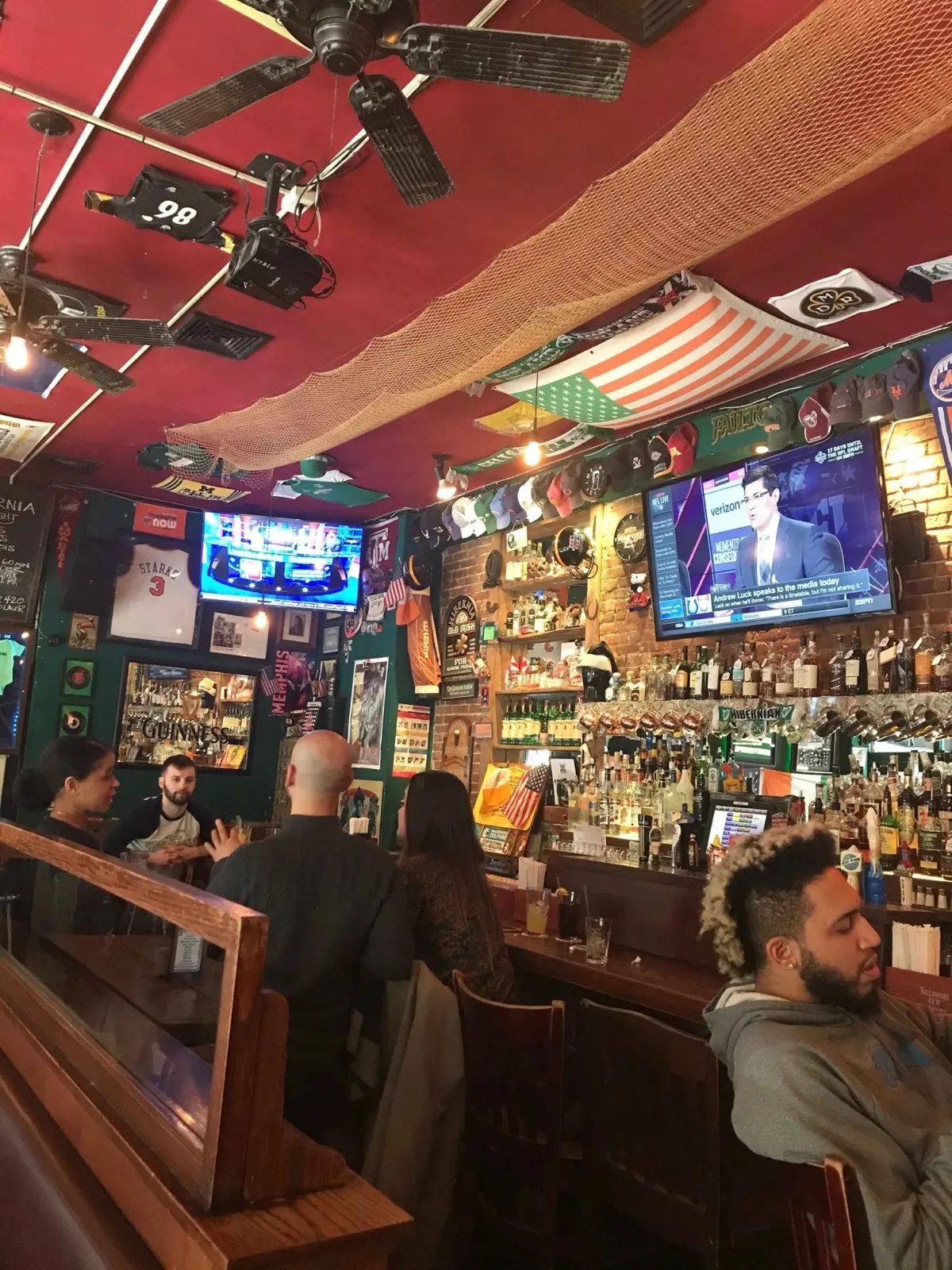
New York does not do neutral very well. Even the city’s quieter bars tend to make a point, whether that point is velvet-soaked glamour, polished downtown cool, old wood and mirrored patina, or a kind of studied minimalism that only works when every proportion is right. If you are trying to find the most stylish bar NYC interiors, it helps to stop thinking only about drinks and start reading rooms the way a designer or operator would. Good bar design is not just decoration. It shapes how people arrive, where they linger, how loud the night feels, and whether a place becomes memorable after the second round.
That is why some bars look great in photos but feel flat in person, while others reveal themselves slowly. A narrow banquette that keeps conversations close, a backbar lit warmly enough to flatter bottles and skin tones, a ceiling treatment that softens sound, a floor plan that lets the room feel full before it feels crowded, these details matter. In New York, where square footage is expensive and first impressions happen quickly, they matter even more.
The best interiors are scattered across the city, but they cluster in neighborhoods with distinct visual identities. If you know what style you are looking for, you can narrow the search and avoid spending the evening hopping from room to room hoping something clicks.
Start with neighborhoods, not just names
People often ask for the single most beautiful bar in the city. That is rarely the useful question. New York supports many kinds of beautiful, and style here is deeply tied to geography. A room that feels perfect in Tribeca might feel oddly stiff in the East Village. A bar that thrives on uptown polish would seem too formal for a Lower East Side crowd. The most reliable way to find a great interior is to decide what mood you want first, then choose the neighborhood that does that mood best.
Here are the areas that consistently deliver strong interiors:
- West Village and Greenwich Village for intimate, dimly lit rooms, historic bones, and a layered look that mixes age with polish.
- SoHo and NoHo for design-forward spaces with sharper lines, higher concept styling, and a fashion-aware crowd.
- Lower East Side and East Village for edgier, more playful interiors, often with bold materials, neon, unexpected art, or retro references.
- Flatiron and NoMad for grander rooms, hotel-adjacent bars, and a more composed sense of luxury.
- Williamsburg and DUMBO for industrial textures, waterfront views, and spaces that balance casual energy with high design.
That short map can save you a lot of time. If you want jewel tones, candlelight, and old New York atmosphere, you are not likely to be happiest in a bright, concrete-heavy room built around a natural wine crowd. If you want clean lines and a younger energy, a classic piano bar is probably not your night.
What stylish actually looks like in a New York bar
Stylish is one of those words that gets thrown around so often it loses meaning. In practice, a stylish bar interior usually gets four things right: material, lighting, layout, and identity.
Material is the first tell. Stylish rooms use surfaces that age well or at least imitate that quality convincingly. Think walnut, brass, worn leather, stone, ribbed glass, lacquer, mosaic tile, or heavy linen. Cheap design usually exposes itself through thin finishes, harsh laminates, or a room overloaded with trend pieces that do not belong together. In New York, where bars turn tables and bodies move through spaces hard and fast, durability becomes part of elegance. A bar top should look better at midnight than it did at six.
Lighting is even more important. I have walked into bars with beautiful furniture and terrible light, and the room immediately lost authority. In a truly stylish space, the light is edited. It is not just dim. It is directed. You notice pools of warmth over the bar, softer illumination at tables, and enough contrast to create depth without making menus unreadable. Good operators know that people forgive many things in flattering light. They also know that a room flooded with cold overhead brightness kills atmosphere instantly.
Layout is the invisible craft behind comfort. New York bars often work with awkward footprints, low ceilings, hidden corners, and pressure to maximize revenue. The stylish ones conceal that pressure. They leave enough breathing room near the entrance so arrivals do not jam the whole front section. They create sightlines toward the backbar or a focal fixture. They place banquettes where they can absorb noise. They understand the social choreography of a group of four, a first date, and a solo guest all at once.
Identity ties everything together. You can feel when a room knows what it is. Maybe it is a Paris-leaning cocktail den, maybe a midcentury jewel box, maybe a stripped-back Japanese-inspired listening bar. The exact reference matters less than conviction. A room with no clear identity often feels expensive but forgettable. New York has no shortage of those.
The Village still excels at intimacy
If your idea of style involves low ceilings, amber light, framed art, dark wood, and a room that gets more handsome as the night deepens, head downtown to the Village. This part of Manhattan remains one of the best hunting grounds for atmospheric interiors because so many spaces work with older architecture. Those inherited proportions, tighter footprints, brick walls, uneven stairways, and tucked-away lower levels, lend themselves naturally to bars that feel discovered rather than manufactured.
The strongest Village interiors do not necessarily shout. Their power comes from restraint and confidence. A polished mahogany bar, a few antique mirrors, a set of sconces with the right shade, and a ceiling painted a half-tone darker than the walls can do more than a dozen trendy flourishes. The room feels grounded. It invites longer stays. It also photographs better than many more obviously decorated spaces, because layered, low light tends to create depth that phone cameras love.
There is a trade-off, of course. These rooms can get cramped, and comfort varies wildly. Some historic-feeling bars are charming for one drink and tiring after two because the stools are too tight, the aisles too narrow, or the acoustics too sharp. Style does not automatically mean ease. In the Village especially, part of the appeal is a little friction. If you are seeking a plush, spread-out evening, NoMad may suit you better.
NoMad and Flatiron do polished luxury better than almost anyone
For a more elevated version of Bar NYC style, NoMad and Flatiron are hard to beat. This is where you find bars that understand theater. Taller ceilings, richer fabrics, statement chandeliers, oversized floral arrangements, sculptural banquettes, and finely tuned service often come together here in a way that feels more formal but still inviting. Hotel bars in particular tend to outperform standalone spaces on interior ambition because they have larger budgets and a stronger incentive to create a visual signature.
When these rooms succeed, they feel both expensive and relaxed. That is not easy. Too much luxury can become brittle, especially in New York where people want a little edge with their glamour. The best bars in this part of town temper grandeur with warmth. They use dark woods instead of just marble, or velvet instead of only leather. They soften the architecture with drapery, books, or art. They let the room feel inhabited.
This is also the part of the city where you can see how bar interiors influence behavior. In a highly composed room, people dress slightly better, sit a little straighter, and order with more intention. A martini in a polished NoMad bar simply lands differently than it does in a graffiti-lined room downtown. Neither is better in the abstract, but the interior creates the occasion.
The Lower East Side and East Village bring more risk, and often more personality
Some of the most interesting bar interiors in New York are not the prettiest in a traditional sense. They are playful, scrappy, referential, weird in the right way. That spirit shows up clearly on the Lower East Side and in the East Village, where bars often lean into narrative design. You will see rooms built around nostalgia, music culture, surreal details, or subcultural references that would feel forced elsewhere.
A stylish interior here might feature chrome and Formica alongside moody red light, or vintage speakers and Japanese wood joinery, or bathrooms wallpapered like a fever dream. The point is not perfection. The point is point of view. These are bars where you feel the owner or designer taking a chance.
There are practical differences too. Downtown experimental spaces often think hard about transitions, from bright sidewalk to dark entry corridor, from compact front room to unexpectedly larger back section. That sequence matters. It helps a modest footprint feel cinematic. I have seen bars barely wider than a townhouse hallway create more impact than sprawling venues because they understood reveal and contrast.
The downside is inconsistency. Some places are all concept and no comfort. Others burn too brightly for a year, then feel dated once the novelty wears off. If you care about interiors, though, this part of the city rewards repeat visits. It is where new ideas tend to surface first.
SoHo and NoHo know how to stage a room
SoHo and NoHo can be polarizing, but if you are interested in contemporary bar design, they deserve attention. These neighborhoods attract hospitality groups and operators who understand visual branding at a high level. Spaces here are often more edited, more image-aware, and more deliberate about textures and palette. You see stone bars with dramatic veining, custom seating in unusual silhouettes, sculptural pendants, and a stronger relationship between the bar’s identity, menu design, staff uniforms, and soundtrack.
Done well, that creates a seamless experience. You feel the concept before anyone hands you a menu. The room reads clearly from the street, which matters in a city of endless choices. Done poorly, the result is a little cold. You notice the styling more than the spirit.
This is where personal preference matters. If your idea of a stylish Bar NYC experience includes people-watching, fashion energy, and interiors that feel magazine-ready, SoHo and NoHo should be on your list. If you prefer a room that reveals age, wear, and spontaneity, the finish level here may feel too controlled.
Brooklyn adds scale, air, and industrial texture
When Manhattan interiors feel compressed, Brooklyn offers a different sort of luxury: breathing room. In Williamsburg, DUMBO, and parts of Greenpoint, stylish bars often benefit from larger footprints, taller ceilings, warehouse shells, and waterfront adjacency. That changes everything. Designers can work with long bars, open sightlines, oversized windows, larger art, and more varied seating zones.
Industrial style still has a hold here, but the better spaces move beyond exposed brick as a formula. They add tactility and softness, with oak millwork, brushed metals, textured plaster, thick drapery, generous plants, and acoustic treatments that keep open rooms from turning into echo chambers. A large room only feels stylish if it also feels controlled.
Brooklyn bars also tend to perform well during daylight hours, which Manhattan often treats as an afterthought. Afternoon light across a polished concrete floor, a warm wood bar, and a skyline view can make a space feel every bit as seductive as a candlelit room at night. If you enjoy architecture as much as atmosphere, this part Bar NYC of the city offers some of the strongest examples of volume used well.
Hotel bars are worth taking seriously
There was a time when recommending hotel bars felt like a tourist move. That has changed. Many of the city’s best interiors now live inside hotels because hotel developers understand that a strong bar can define the entire property. They invest in materials, floral design, seating comfort, and service choreography at a level independent operators often cannot match.
A good hotel bar knows how to be legible to first-time visitors while still attracting locals. That requires a room that makes an instant impression but remains comfortable enough for regulars. Look for bars with layered seating, a clear focal point, and enough tonal variation that the room shifts subtly over the evening. The strongest ones feel lively at 6:30 p.m., romantic at 8:30, and slightly more electric by 10:30 without changing anything except occupancy and light.
The caution here is obvious. Some hotel bars are all lobby spillover and no soul. If the room feels like a waiting area with cocktails, move on.
How to judge a bar interior before you commit to staying
It is possible to tell quite a lot in the first three minutes. This matters in New York because reservations can be hard, prices are high, and a bad room can waste an otherwise promising night.
Use this quick check before you order a second drink:
- Notice whether the lighting flatters faces and surfaces, not just the backbar.
- Check the sound level against the room’s size. Stylish spaces control noise, they do not merely dim the bulbs.
- Look at the seats people actually want. If everyone is avoiding half the room, the layout is failing somewhere.
- Pay attention to transitions, from entry to host stand to bar to restroom. Strong interiors feel coherent throughout.
- Ask yourself whether the room has a point of view beyond trend. If the answer is vague, the place may not hold your interest for long.
This kind of assessment becomes second nature after a while. You stop being distracted by one photogenic corner and start noticing whether the whole environment works.
Timing changes the room
One reason people disagree so sharply about stylish bars is that they are often describing different hours. A place that feels elegant at 5:30 can feel punishingly loud by 9:30. A room that seems sparse early may become warm and animated once it reaches two-thirds capacity. New York bars are living environments, and the best interiors are designed to improve with occupancy.
If your priority is seeing the design itself, go early. Arrive when the light is still shifting outside and the room has not yet filled in. You will notice finishes, proportions, and service details that disappear once the crowd thickens. If your priority is atmosphere, come later, but know that some of the city’s most beautiful spaces lose nuance under heavy traffic. The sweet spot is often the first hour after the post-work rush, when a room has energy but not yet strain.
This matters especially for visitors searching “Bar Bar NYC NYC” and hoping for a picture-perfect evening. The internet tends to flatten timing. A bar shown in a professional photo at golden hour may be a very different experience on a Saturday at 10 p.m. Good interiors are resilient, but even they have limits.
Stylish does not always mean expensive
There is a persistent assumption that the best interiors belong only to the highest-priced bars. Not true. Budget helps, certainly. Fine materials, skilled lighting design, and custom millwork cost money. But style is not a direct line from spend to success. Some of the most convincing rooms in New York are modest in scale and budget. They win through editing.
A small bar with simple oak shelving, a carefully chosen paint color, vintage sconces, and excellent music can feel more stylish than a lavish room drowning in marble and statement fixtures. What matters is coherence. The expensive mistakes are often the most obvious, because money cannot hide indecision. If the palette fights the furniture, if the art feels generic, if the seating was chosen for looks over use, the room tells on itself.
That is part of what makes New York so interesting. The city rewards confidence and punishes imitation. A stylish bar does not need to look rich. It needs to look sure of itself.
What frequent bar-goers learn to appreciate
After enough nights out, your standards shift. You stop chasing only novelty and start valuing details that support the whole evening. Coat hooks under the bar. A banquette with the right seat depth. Candlelight that does not drip everywhere. Restrooms that match the front room. A bar rail placed at a height that lets you settle in. These details sound minor until you spend three hours somewhere that ignored them.
You also begin to recognize bars that age gracefully. The city’s most stylish interiors are not always brand new. In fact, many improve after a little wear, once brass dulls slightly, leather softens, and the room develops a patina that no opening-night photo can fake. That is the final test. Not whether a bar looks impressive on debut, but whether it still feels compelling a year or three later.
New York offers every possible version of bar style, from candlelit downtown dens to soaring Brooklyn spaces and polished NoMad showpieces. The trick is knowing your mood, your tolerance for crowding, and the difference between a room designed to be seen and a room designed to be experienced. Once you learn that distinction, finding the most stylish bar NYC interiors becomes less about chasing hype and more about reading the city correctly.
Hibernia Bar
401 W 50th St
New York, NY 10019
(212) 969-9703
FAQ About Bar NYC
What is there to do in Hell's Kitchen, NYC?
Explore the restaurants and bars along Ninth Avenue, catch a Broadway show nearby, or visit the Intrepid Museum on the Hudson River. Hibernia Bar is at West 50th Street and Ninth Avenue, a convenient stop before or after a show.
What are some bars in New York City that serve good food?
Hibernia Bar in Hell's Kitchen serves wings, burgers, fish and chips, and shepherd's pie. Its kitchen lists a 2 a.m. closing time, which makes it an option for dinner after a show or a game.
How far is Hell's Kitchen from Times Square?
Hell's Kitchen is just west of Times Square. From Broadway and West 45th Street, Hibernia Bar is roughly 0.6 miles away, or about a 12-minute walk depending on crowds.